
Oh She Glows - Healthy Recipes
Oh She GlowsFood & Drink
4.7175.00 Reviews
- Version
- 1.4.3
- Installs
- 50.00K
- Age Rating
- Everyone
Screenshots

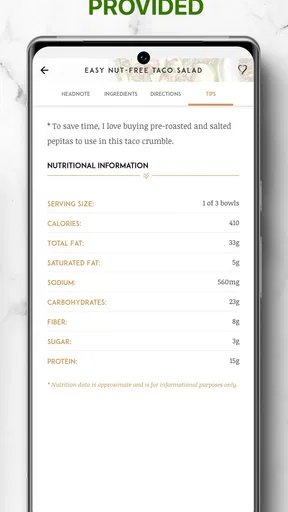
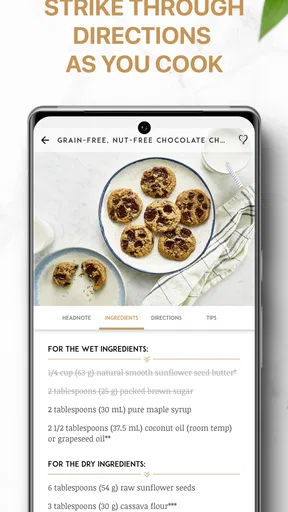
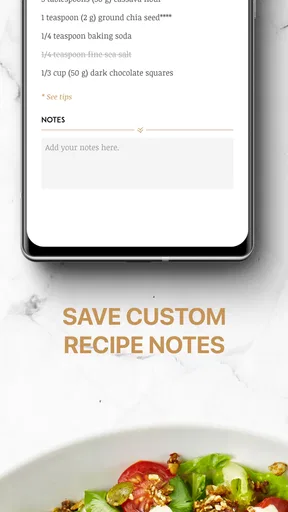
Our Review of Oh She Glows - Healthy Recipes
 Analysis by Appyee
I first reached for Oh She Glows - Healthy Recipes on a busy evening when I wanted a plant-based dinner without opening several websites, comparing ingredient lists, or scrolling through unrelated posts. The app is focused on food and drink, and its main appeal is simple: it puts a substantial collection of vegan-friendly cooking ideas in one place, ready to browse when I am planning a meal or standing in the kitchen.
After using it for different kinds of cooking, I found it works best as a practical recipe companion rather than a complete meal-planning service. I can look for inspiration, save an idea mentally for later, and follow a recipe at my own pace. The experience feels especially useful for people who already enjoy cooking with vegetables, grains, legumes, nuts, seeds, and other plant-based ingredients. It is less convincing for someone who wants a fully automated system that builds a household schedule, manages everyone’s preferences, or handles grocery shopping from start to finish.
How it works when more than one person uses the kitchen
The shared-use scenario is where this app becomes more interesting than a quick glance at its store summary suggests. In a household, one person might choose dinner while another does the shopping, and a third person may actually prepare the meal. A recipe collection is useful in that situation only if the instructions are easy to revisit and the idea is clear enough to discuss away from the screen.
I can imagine using it on a weekend to choose a few meals for the coming days, then showing the selected recipes to someone else before buying ingredients. That small pause matters. Plant-based cooking often depends on ingredients that are not interchangeable in the same way as basic meat-and-potato meals, so agreeing on the recipe first can prevent a last-minute substitution that changes the whole dish.
On a shared phone or tablet, I would keep the app open while cooking and avoid treating it as a personal diary. The useful boundary is that the device becomes the shared recipe screen, not a place where every person expects their own history, preferences, or private organization. That makes the app straightforward for couples, roommates, and families who simply want access to the same cooking ideas.
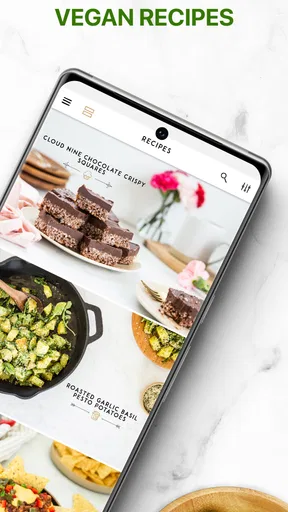
The collection includes over 180 recipes, which is enough to support repeated browsing without making the app feel like a single-purpose dish card. I would not assume that every recipe suits every household, though. A family with mixed diets may need to discuss whether a meal is intended for everyone or whether a separate protein or side dish is needed. The app can provide the plant-based centerpiece, but the household still has to coordinate the final menu.
What I would do before handing the device to someone else
My preferred routine is to browse before cooking, choose one recipe, and then put the device somewhere visible but away from splashes. That sounds obvious, yet it makes a difference with recipes that require several stages. If different people are taking turns, I would read the full recipe first and point out any preparation that needs to happen ahead of time. This prevents the common problem of discovering halfway through dinner that an ingredient needed earlier attention.
I also find it helpful to separate “inspiration” from “tonight’s dinner.” A recipe may look appealing while browsing but turn out to require a shopping trip or more time than the household has available. I would use the app for the first decision, then make a quick practical check: what is already in the kitchen, who is eating, and how much time is realistic?
That workflow is one of the app’s strengths. It encourages me to think about the actual meal instead of endlessly scrolling through a feed. At the same time, it is not a replacement for a shared notes app or a dedicated grocery planner. If several people need to edit a list, assign tasks, or track substitutions, another tool will still be useful beside it.
Setup boundaries and everyday cooking workflow
The app is available for Android devices running version 5.0 or later, and the current release is 1.4.3. The basic setup is uncomplicated: install it, open the recipe collection, and start browsing. I appreciate that the experience does not require me to learn a complicated cooking system before finding something useful.
Its price is $2.99, with optional in-app purchases ranging from $0.49 to $0.99 per item. That makes the decision fairly easy for someone who regularly cooks plant-based food, but I would still recommend considering how often the app will be used. If I only want one occasional recipe or prefer free web searches, paying for a dedicated recipe app may feel unnecessary. For a person who wants a focused collection available in a single app, the cost is easier to justify.
The most useful way to approach the collection is by cooking purpose rather than by trying to inspect everything at once. I might browse when I need a quick lunch idea, then return later when I want something suitable for sharing. This keeps the app from becoming an overwhelming archive and makes it easier to build a personal rotation of dependable meals.
A practical tip is to read beyond the ingredient names before committing. Plant-based recipes can look simple at first but may involve several preparation steps, texture changes, or ingredients that are not common in every kitchen. I would check the method early, especially on a weekday. This is a small habit, but it helps me choose recipes based on real effort rather than appearance alone.
Another useful trade-off is deciding whether to follow the recipe closely or use it as a framework. Experienced cooks may enjoy adapting seasonings, vegetables, or serving sizes. Newer cooks should be more cautious about changing several elements at once, because plant-based dishes often depend on balance between moisture, acidity, richness, and texture. I would make one substitution at a time until I understood how the recipe behaved.
The app’s focus is also its limitation. It is not trying to be a broad restaurant guide, a calorie tracker, or a general-purpose cookbook covering every style of food. That narrow scope is helpful when I specifically want plant-based ideas, but less useful when the household wants a mixed collection of meat, seafood, baking, and international dishes in one place.
Making the collection work for a mixed household
For a household with different eating habits, I would choose recipes that can serve as a common base. A vegetable-centered meal can sometimes be adjusted at the table with separate toppings or side dishes, but I would not assume every recipe can be divided easily. Some dishes are built around a particular texture or sauce, and changing the central ingredient may require more than a simple swap.
This is where coordination matters more than app features. Before cooking, I would ask who is eating, whether anyone has an allergy or strong dislike, and whether the chosen ingredients are available. The app can help people agree on a recipe, but it does not remove the responsibility of checking the food itself.
For shared devices, I would also set a simple household rule: one person chooses the recipe, but everyone affected by the meal gets a chance to object before shopping. That avoids the frustration of preparing a dish that only one person wanted. It is a small process, yet it makes a recipe app feel more useful because the decision is connected to the people who will actually eat.
Coordination, trust, and age context
The content rating is Everyone, so I see the app as suitable for general household use. That does not mean every cooking task is appropriate for every child. A recipe app can help a young person choose ingredients, wash produce, stir a cold mixture, or observe an adult, while hot pans, sharp knives, ovens, and other kitchen hazards still need adult judgment.
I would be comfortable using the app with an older child as a way to practice reading instructions and planning a meal. The useful lesson is not only how to cook; it is how to break a recipe into stages, notice what must happen first, and clean up while working. For younger children, I would keep control of the device and treat the app as a visual prompt rather than handing over the entire cooking process.
Trust also matters when several people share one device. I would not expect the app to define separate household accounts or personal boundaries. Instead, I would use it openly, with everyone aware that the recipe screen is a shared resource. If someone wants private meal notes, allergy records, or a personal shopping system, those should live elsewhere rather than being assumed to exist inside this app.
That boundary is especially important for families managing different dietary needs. A recipe may be plant-based while still containing ingredients that are unsuitable for a particular person. I would always inspect the full ingredient list and consider cross-contact, packaged-food labels, and substitutions independently. The app can support a meal decision, but it should not be treated as a medical authority.
For roommates, the same principle applies in a different way. I would use the collection to suggest shared dinners, but I would not assume that one person’s purchase or preparation automatically creates an obligation for everyone else. Agreeing on cost, ingredients, and cleanup remains a household conversation. The app is good at inspiring the meal; it is not a substitute for that conversation.
A realistic weeknight example
Imagine arriving home with limited time and two people waiting for dinner. I would open the app, look for a recipe that matches the ingredients already available, and read the method before making a decision. If the preparation looks manageable, I would ask the other person to check whether the flavors sound appealing. While one person gathers ingredients, the other can begin the first preparation stage.
If the recipe turns out to need more time than expected, I would rather change plans early than force it into a rushed schedule. This is one of the app’s hidden practical lessons: a recipe collection gives options, but the cook still has to judge timing. On a relaxed weekend, a more involved dish may be enjoyable. On a crowded weekday, a simpler choice is the better choice even if it looks less exciting.
After dinner, I would make a note of what worked informally: whether the portion suited the household, whether the texture was satisfying, and whether the ingredients were easy to find. That personal feedback is valuable because the app cannot know which recipes fit a particular family’s tastes, budget, or equipment. Over time, the collection becomes more useful when I remember which ideas deserve a second attempt.
Where it stands against ordinary recipe searching
Compared with searching the web, this app feels more focused. A web search can uncover an enormous range of recipes, but it also brings advertisements, repeated content, unrelated results, and pages that are difficult to use with messy hands. A dedicated collection gives me a calmer starting point when I already know I want plant-based food.
The trade-off is variety. The web is better when I need a very specific adaptation, a regional ingredient, a specialized allergy adjustment, or a recipe built around something unusual in the pantry. I would use this app for dependable browsing and turn to broader search when the request becomes highly specific.
Compared with a general cookbook app, the advantage here is the clear plant-based identity. I do not have to filter out meat, dairy, or unrelated recipes before finding something relevant. The disadvantage is that a general cookbook may serve a mixed household better by covering more eating styles in one place. The right choice depends on whether focus or breadth matters more.
Compared with a meal-planning subscription, this app is more direct and less demanding. I can browse without committing to a full weekly system. However, a planning service may be better for someone who wants automatically organized meals, consolidated shopping lists, nutrition tracking, or structured household scheduling. I would not choose this app expecting those broader planning functions.
Its average rating is 4.7 from around 1.5 thousand ratings, and it has passed 50 thousand installs. Those figures suggest that the focused approach has found a real audience, but they do not change my main advice: choose it because you want a plant-based recipe collection, not simply because it is popular.
Who should use it, and who should skip it
I would recommend it to someone moving toward vegan cooking, a long-time plant-based eater who wants fresh ideas, or a household trying to make shared dinners more vegetable-focused. It is also a sensible option for a beginner who prefers a curated collection over the noise of general internet searches.
I would be more hesitant to recommend it to someone who rarely cooks, expects restaurant delivery suggestions, or wants a complete nutrition and shopping-management system. It may also disappoint a household that needs detailed personal profiles, formal allergy management, or separate planning spaces for each person. Those needs call for additional tools or a different kind of app.
The purchase makes the most sense when I expect to return to the recipes repeatedly. Occasional users may be happier with free resources, while regular cooks can get more value from having a dedicated collection that stays centered on plant-based meals. The optional purchases also mean I would pay attention during setup and only choose extras that genuinely improve my own cooking routine.
One final tip is to judge a recipe by repeatability, not novelty. The best recipe in a household is often the one people will willingly eat again, that uses ingredients they can obtain, and that fits the cook’s available time. I would mark those practical winners mentally and build a small rotation instead of chasing a different idea every night.
My household verdict
After using Oh She Glows - Healthy Recipes, I see it as a focused and approachable companion for plant-based cooking. Its strongest quality is concentration: I open it with a clear purpose and find a collection built around that purpose rather than a mixed catalog that needs constant filtering.
I also like how naturally it fits shared cooking. One person can browse, another can shop, and someone else can prepare the meal, as long as the household agrees on expectations. The app supports that coordination without pretending to manage family life. For me, that honesty is part of its appeal.
There are limits. It does not replace a grocery list, a medical dietary guide, a family calendar, or a broad recipe search. Shared-device users should establish their own boundaries, and adults should supervise children around kitchen hazards. Those are not reasons to reject the app; they are reminders to use it for what it does well.
At $2.99, I think it is worth considering if plant-based cooking is a regular part of your week. The Everyone age rating makes it approachable for household browsing, while the developer, Oh She Glows, keeps the identity clear and recognizable. I would skip it if I wanted a universal cookbook or an automated planning platform, but for someone asking me for a dedicated source of plant-based meal inspiration, I would gladly recommend it.
Verdict
Strengths of Oh She Glows - Healthy Recipes
- Extensive collection of plant-based recipes for different meal occasions.
- Clear ingredient lists make shopping and meal preparation easier.
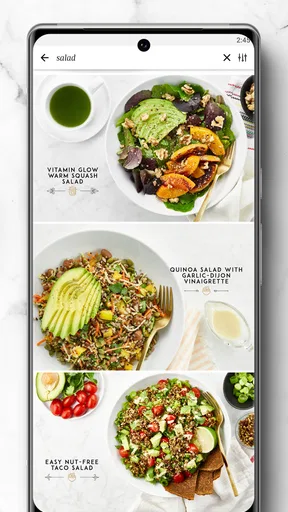
- Many recipes include appealing photos and serving suggestions.
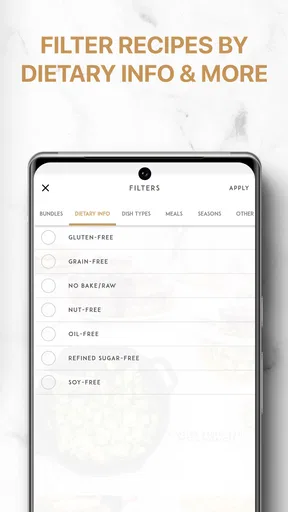
- Useful filters help narrow recipes by dietary needs or meal type.
- Suitable for beginners and experienced home cooks alike.
Limitations of Oh She Glows - Healthy Recipes
- Some recipes require specialty vegan ingredients or kitchen equipment.
- Preparation times can be lengthy for certain multi-step dishes.
- The app may feel expensive if most content requires a subscription.
- Limited options for users seeking meat, dairy, or low-carbohydrate recipes.
- Nutrition information may not be available for every recipe.
Similar Picks in This Category
View All
Rappi: Food Delivery, Grocery
Rappi, Inc - Delivery3.5

McDonald’s: Cupons e Delivery
Arcos Dorados4.3

Swiggy: Food Instamart Dineout
Swiggy4.7

Blinkit: Groceries & more
Blinkit4.8

foodpanda: food & groceries
Foodpanda GmbH a subsidiary of Delivery Hero SE4.0

Zomato: Food Delivery & Dining
Zomato4.7
Frequently Asked Questions
What is Oh She Glows - Healthy Recipes?
Oh She Glows - Healthy Recipes is a plant-based cooking app built around recipes from Angela Liddon’s Oh She Glows collection. It focuses on colorful, wholesome meals, snacks, smoothies, desserts, and everyday cooking ideas. The app is designed for people who want more vegan or vegetarian inspiration, whether they are experienced cooks or simply trying to add more vegetables to their routine.
Does Oh She Glows - Healthy Recipes require a subscription or payment?
Access conditions may depend on the version of the app, your region, and the platform’s current pricing policy. Some recipes or features may be available after downloading, while the full collection can require a purchase, subscription, or in-app access. Check the App Store or Google Play listing before installing, and review any trial, renewal, or cancellation terms carefully if payment details are requested.
Are all the recipes in the app vegan and suitable for special diets?
The recipes are primarily plant-based and generally emphasize vegan ingredients, but users should still read each recipe carefully. Some dishes may include common allergens such as nuts, soy, gluten, coconut, or seeds, and not every recipe will suit every medical or dietary requirement. Ingredient substitutions are often possible, but people with allergies should verify labels and preparation conditions independently.
Can I use Oh She Glows recipes without advanced cooking experience?
Yes, the app is suitable for a range of cooking abilities. Recipes usually provide ingredient lists and preparation directions in a practical format, making them approachable for beginners. However, difficulty can vary: some meals are quick and simple, while others involve soaking, blending, baking, or preparing several components. Reading the full recipe first helps you plan time, equipment, and ingredients.
Does the app work offline, and what features should I expect?
Offline availability can vary by app version and device, so users should not assume that every feature will work without an internet connection. Recipe browsing, saving favorites, search tools, photographs, shopping or planning functions, and synchronization may depend on how the app stores content. It is worth opening several recipes after installation and checking whether saved content remains accessible before cooking away from Wi-Fi.
